
Rail | Copamate

Category: Rail

  • A Class Tram | Details & History

    A Class Tram | Details & History

    [uncode_socials size=”lead”]

    The A Class Tram stands as one of the most distinctive and historically significant tram types on the Melbourne tram network.

    Built by Commonwealth Engineering (Comeng) at Dandenong between 1984 and 1987, the A class was a direct evolution of the Z-class trams yet reflected a significant political and engineering shift in Victoria’s public transport design philosophy.

    Seventy units were built in total, 28 A1-class trams and 42 A2-class trams marking Comeng’s final single-body tram production before Melbourne transitioned to articulated configurations with the B-class.

    For rolling stock engineers, the A class represents a key bridge between mechanical standardisation and passenger-centred design, a transition that would influence decades of tram procurement policy.

    no image

    This is custom heading element

    In 1982, a change in government reshaped Victoria’s transport manufacturing agenda.

    The incoming Cain Labour Government, under Minister for Transport Steve Crabb, sought to modernise Melbourne’s tram fleet and redefine its visual identity.

    Comeng had already prepared drawings for what would have been the Z4 class, a continuation of the Z3 series. However, Minister Crabb insisted on a tram that would distinguish itself from its predecessors, a design with a wider, flatter front rather than the sharply pointed aesthetic of the Z-class.

    His vision extended beyond aesthetics; he wanted improved passenger accessibility and quicker loading times, leading to the introduction of two large doors between the bogies.

    Thus, the Z4 project evolved into the A Class Tram, a decision that blended political will, industrial capability, and urban transport reform.

    The result was a tram that looked and operated differently, even though beneath its body shell it remained mechanically similar to the Z3.

    no image

    This is custom heading element

    Comeng’s Dandenong factory was at the centre of Melbourne’s rolling stock innovation during the 1980s.

    The company had already built multiple tram series for the Melbourne & Metropolitan Tramways Board (MMTB), and the A class became one of its last major projects before the shift toward articulated trams and corporate restructuring in the late decade.

    • A1 Class: 28 units built between 1983 and 1985 (fleet numbers 231–258).
    • A2 Class: 42 units built between 1985 and 1987 (fleet numbers 259–300).

    Each tram was assembled using welded steel construction with modular electrical equipment sourced from AEG (Germany), including chopper controls, traction motors, and Düwag-pattern bogies.

    The trams were compact, robust, and designed for Melbourne’s existing infrastructure, making them suitable for routes with lower passenger demand or tighter curves.

    no image

    This is custom heading element

    The A Class tram is a three-door bogie saloon design, structurally compact yet powerful enough for intensive urban operation.

    Specification A1-Class
    Builder Commonwealth Engineering (Comeng), Dandenong
    Built 1984–1985
    Units Built 28
    Seating Capacity 42
    Weight (Tare) 22.2 tonnes
    Length 15.01 m
    Width 2.67 m
    Height 3.34 m
    Wheel Arrangement Bo-Bo
    Wheelbase 1800 mm
    Bogie Centres 8500 mm
    Wheel Diameter 660 mm
    Bogies Düwag tandem drive
    Controller Siemens/AEG chopper control
    Traction Motors 2 × AEG ABS 332, 195 kW each

    From an engineering standpoint, these specifications positioned the A class tram as a refined variant of the Z3.

    The same electrical traction systems were retained for parts commonality and simplified maintenance, but improvements were made in door mechanisms, driver ergonomics, and passenger flow management.

    no image

    This is custom heading element

    While the A class reused proven Z3 mechanical systems, engineers faced a notable challenge.

    Fitting all underframe electrical and pneumatic equipment into a shorter chassis. The revised door arrangement, two large step-wells instead of one, reduced the available equipment space beneath the floor.

    To overcome this, Comeng’s engineers restructured the component layout, ensuring the tram remained balanced and maintainable. The electrical gear, air compressors, and control systems were redistributed, demonstrating how incremental innovation could be achieved without redesigning an entire platform.

    From an electrical engineering perspective, the AEG chopper controller represented a milestone. It replaced the older resistance control method, providing smoother acceleration, energy savings, and less mechanical wear on contactors and resistors.

    The result was a tram that performed efficiently across Melbourne’s stop-and-go routes while reducing maintenance intervals.

    This is custom heading element

    The A1-class trams, introduced from 1983 to 1985, embodied the Cain Government’s policy to modernise public transport visually and operationally.

    They were the first trams to adopt a more streamlined, less angular front, giving them a contemporary appearance compared to the utilitarian Z-series.

    Key Features

    • Improved ventilation and airflow through redesigned roof vents.
    • Dual central passenger doors, reducing boarding times at peak hours.
    • AEG-controlled chopper system identical to the Z3, ensuring reliability and parts interchangeability.
    • Trolley pole power collection, later upgraded to pantographs between 1987 and the late 1990s.

    The first A1 tram was delivered on 12 December 1983 and began passenger service on 13 June 1984. These trams quickly became a mainstay on Kew Depot routes, particularly Route 42 (Mont Albert – City) and Route 48 (North Balwyn – Spencer Street).

    A notable engineering variant was tram A1.231, which gained attention when it was painted in chocolate and cream livery in 1995 to celebrate the 75th anniversary of Kew Depot. Although this tram was later destroyed by fire in 2013, it remains one of the most memorable vehicles in Melbourne’s tram heritage.

    no image

    This is custom heading element

    The A2-class trams, built between 1985 and 1987, marked the final evolution of the A platform. While visually almost identical to the A1, the A2 included significant mechanical refinements:

    • Introduction of Hanning & Kahl braking systems, offering more consistent braking performance.
    • A redesigned door-operating mechanism to reduce failures.
    • Delivered pantograph-only from new, eliminating the need for trolley poles.

    These trams were the first Melbourne trams built without provision for conductor consoles, reflecting the network’s shift toward driver-only operation and automated ticketing systems in the following decade.

    Many A2s carried Bicentennial branding due to funding assistance from the Commonwealth Government’s 1988 program, highlighting the political cooperation behind Melbourne’s transport renewal.

    Tram A2.296 received special modification with high-beam headlights, similar to those fitted to the B2-class, allowing engineers to trial illumination standards for light-rail routes. It was the only non-articulated tram to receive this upgrade.

    no image

    This is custom heading element

    Initially, both A1 and A2 trams were concentrated at Kew Depot, but operational needs saw later redeployments. With the opening of the St Kilda and Port Melbourne light-rail lines in 1987, several A2s were allocated to South Melbourne and North Fitzroy depots.

    By the late 1980s, the arrival of the B2-class articulated trams allowed A2s to return to Kew. Throughout the 1990s, they operated predominantly on eastern corridor routes including:

    • Route 42 (Mont Albert – City)
    • Route 48 (North Balwyn – City/Spencer Street)
    • Peak-hour short-workings along Collins and LaTrobe Streets

    For the Chapel Street lines (78 and 79), only pole-equipped A1s could operate until pantograph conversion of the overhead wiring occurred in the late 1990s. The last six A1s (Nos. 231–236) retained trolley poles for nearly two decades, becoming icons of a fading electrical era.

    This is custom heading element

    When Melbourne’s tram network was privatised in August 1999, all A-class trams transferred to Yarra Trams. The operator undertook multiple upgrades:

    • 2005–2007: Replacement of rollsigns with LED destination systems.
    • 2007: Installation of air conditioning in driver cabins to improve occupational comfort.
    • 2017: Integration of automated passenger information systems, aligning them with modern fleet standards.

    From an engineering management viewpoint, these retrofits exemplify the adaptability of the A-class frame and electrical systems. Despite being mid-1980s technology, their robust construction allowed new components to be integrated without compromising performance or safety.

    This is custom heading element

    Understanding the relationship between the Z and A classes is crucial for any rolling stock engineer examining Melbourne’s design lineage.

    Key Differences

    • Body Design: The A class adopted a flat, wider front instead of the Z-class’s pointed nose.
    • Doors: Two large double doors between bogies, improving passenger movement.
    • Ventilation: Enhanced ventilation compared with earlier Z models.
    • Braking: The A2’s Hanning & Kahl brakes provided better modulation.
    • Electrical Systems: Both used Siemens/AEG chopper control and AEG motors.
    • Aesthetic and Ergonomics: The A class marked the first significant design consideration for driver comfort and urban image.

    Mechanically, however, the Z3 and A1/A2 trams share nearly identical bogies, motors, and controllers. For maintenance and spare-part management, this interchangeability proved cost-effective for the MMTB and later Yarra Trams.

    The major evolution lay in passenger experience and external design rather than propulsion technology. Engineers thus classify the A class as an incremental development, not a technological revolution.

    This is custom heading element

    Starting in 2018, the government launched the program to refurbish over 85% of the tram fleet. The scope includes life extensions, deep overhauls, deep cleans, interior, exterior upgrades and system modernisation.

    By 2022, the program had already refurbished 300 trams, with over 150 jobs supported in the supply chain and is widely referred to as the largest tram life-extension and refurbishment program in the world.

    Copamate’s Involvement

    Copamate was selected as a major fabrication and refurbishment partner. Their work includes manufacturing new windows, refurbishing and manufacturing tram doors, tram fibreglass step wells, tram fibreglass seat surrounds, and various tram sheet metal panels.

    Their precision engineering ensures older trams, including A Class trams, can meet modern safety, comfort and accessibility standards while preserving design geometry.

    no image

    This is custom heading element

    Nearly four decades after entering service, the A class trams remain operational across Melbourne’s network. Their longevity is a testament to Comeng’s engineering quality and the strategic foresight of designing a fleet that could be modernised incrementally.

    As of 2020, 69 of the 70 A-class trams remained in service, an exceptional survival rate. Their continued use demonstrates that even with modest capacity, well-engineered rolling stock can serve efficiently for over forty years when maintained and upgraded systematically.

    The A class today represents a crucial engineering case study in lifecycle management and retrofit planning. Rolling stock engineers continue to examine its structure for lessons in fatigue resistance, electrical redundancy, and driver ergonomics.

    The A class tram shows thoughtful standardisation, incremental upgrades and manufacturer collaboration can produce enduring public assets that return value across multiple decades.

    This is custom heading element

    Aspect Z1/Z2 Z3 A1/A2 (A Class)
    Production Years 1975–1979 1979–1983 1983–1987
    Body Design Pointed, angular Refined, still narrow Flatter, wider nose
    Doors Single centre Single centre Two large double doors
    Power Control Camshaft Siemens/AEG chopper Siemens/AEG chopper
    Bogies Early MMTB design Düwag tandem drive Düwag tandem drive
    Brakes Conventional Improved Hanning & Kahl (A2)
    Power Collection Trolley pole Trolley pole Trolley pole → Pantograph
    Driver Comfort Minimal Moderate Enhanced cab environment
    Passenger Flow Constrained Better than Z1/Z2 Much improved
    Visual Identity Sharp Transitional Modernised, flat front

    This is custom heading element

    The A Class Tram is more than a continuation of Melbourne’s Z-class; it is a symbol of political vision meeting mechanical pragmatism. Conceived in the early 1980s amid shifts in government policy, it reflected Victoria’s ambition to present a modern, efficient, and passenger-friendly tram network.

    For engineers, it remains a textbook example of evolutionary design, combining proven mechanics with practical human-centred modifications. For policymakers, it stands as evidence that infrastructure progress does not always demand revolutionary change, sometimes the greatest advancements come from refining what already works.

    Today, the A class continues to serve the people of Melbourne faithfully, a rolling testament to Comeng’s craftsmanship and the foresight of those who demanded better transport for the city. Its engineering integrity ensures that even as new low-floor trams replace older stock, the A Class Tram will remain one of Melbourne’s most respected and enduring machines in urban transport history.

    Read more about rail projects such as the Future Fleet Program in NSW.

    [uncode_block id=”142671″ inside_column=”yes”]
  • Tooling, Fixtures & Jigs Overview | Rail Applications

    Tooling, Fixtures & Jigs Overview | Rail Applications

    [uncode_socials size=”lead”]

    Australia’s commitment to advancing its transport infrastructure is evident in the ambitious rail projects transforming our major cities and regional networks. From the Metro Tunnel in Melbourne to the expansive Sydney Metro, the demand for sophisticated, reliable, and safe rolling stock has never been greater. The production of these modern trains and trams represents a monumental feat of engineering, one where precision is not merely a goal but a fundamental prerequisite for safety and performance. This precision is achieved not by chance, but through the strategic design and application of specialised manufacturing equipment. At the heart of this process lie the often overlooked heroes of production, tooling, fixtures and jigs.

    no image

    For rolling stock engineers striving for micron level accuracy and government leaders responsible for delivering public value and de-risking multi-billion dollar projects, a deep understanding of this equipment is paramount. This overview will provide a comprehensive exploration of tooling, jigs, and fixtures, moving beyond simplistic definitions to deliver an expert perspective on their application in the demanding world of rolling stock manufacturing. We will examine the distinct functions of these devices, explore their application in projects both large and small and articulate their strategic importance in building the next generation of Australia’s rail fleet.

    Tooling, Fixtures & Jigs Fundamentals

    In the complex lexicon of manufacturing, the terms tooling, jigs, and fixtures are frequently used, sometimes interchangeably, leading to a lack of clarity. A precise understanding begins with establishing a correct hierarchy. Rather than being three separate peers, these terms represent a category and its specific subsets. Getting this right is the first step toward appreciating their distinct roles.

    no image

    What is Tooling? The Foundational Concept

    In an engineering context, tooling is the comprehensive, all-encompassing term for the vast array of devices, implements and equipment required to manufacture a product. It is the complete set of purpose-built hardware that enables a production line to transform raw materials into finished components and assemblies. Tooling, jigs & fixtures is the physical interface between the design and the reality. In rolling stock manufacturing, this includes a diverse range of items.

    • Workholding equipment such as jigs and fixtures.
    • Cutting implements like specialised drill bits, milling cutters, and industrial saws.
    • Forming equipment, including press brake dies for bending metal panels and stamping dies.
    • Welding apparatus and robotic end-effectors.
    • Assembly aids, guides, and templates.
    • Inspection and measurement devices, such as go/no-go gauges and calibration masters.

    Essentially, if a device is created specifically to aid in the production of a part without becoming part of the final product, it falls under the broad umbrella of tooling. High quality jigs and tools are the bedrock of any serious manufacturing enterprise.

    What are Fixtures? Providing Precision

    A fixture is a specific type of tooling whose sole purpose is to hold, support, and locate a workpiece in a fixed, repeatable position during a manufacturing process. The key function of a fixture is to establish a known and rigid frame of reference for the workpiece. The manufacturing process is then performed around it, with the machine, for example a CNC gantry mill or a robotic welder, using its own coordinate system to interact with the fixtured part.

    Consider the assembly of a train car’s primary chassis. This immense structure is locked into a massive fixture that holds every structural member in its exact, predetermined location. When robotic welders then move in to join the components, they are guided by their own programming, confident that the fixture has presented the workpiece in precisely the right orientation. The fixture does not guide the welding tool, it simply holds the work. This is the defining characteristic of all jigs and fixtures.

    no image

    What are Jigs? Guiding the Process

    A jig is a more specialised type of tooling that performs two functions simultaneously. Like a fixture, it holds, supports, and locates the workpiece. However, a jig possesses an additional, critical feature, it also guides the cutting tool to the correct location on the workpiece.

    A classic example is a drill jig. Imagine a series of critical mounting holes must be drilled into a bogie frame component. A custom drill jig, a type of engineering jig, would be clamped onto the component. This jig would contain hardened steel bushings precisely located where the holes need to be. The operator then simply inserts the drill bit through these bushings. The jig’s bushings guide the drill bit, eliminating the need for manual marking and ensuring every hole is perfectly positioned, perpendicular, and identical across hundreds of parts. The jig controls the tool’s path, guaranteeing extreme accuracy and repeatability with minimal reliance on operator skill.

    The Core Distinction Summarised

    Feature Fixture Jig
    Primary Function Holds, supports, and locates the workpiece. Holds, supports, locates the workpiece, AND guides the tool.
    Tool Control The machine or operator controls the tool’s path. The jig itself controls the tool’s path.
    Common Processes Welding, milling, inspection, assembly. Drilling, reaming, tapping, boring.
    Complexity Generally higher, especially for large assemblies. Can range from simple plates to complex box jigs.

    The Scale of Engineering Jigs & Fixtures in Rolling Stock Manufacturing

    The sheer scale of rolling stock necessitates an equally impressive scale in its manufacturing jigs and tools. The requirements range from colossal structures that dwarf human operators to small, handheld devices that ensure the perfection of the smallest detail.

    Large Scale Tooling, Assembling the Giants

    The assembly of a multi-tonne train car is a symphony of heavy fabrication, where maintaining dimensional stability is a monumental challenge. This is where large scale tooling jigs and fixtures become indispensable.

    • Car Body and Underframe Fixtures: These are arguably the most critical pieces of tooling in a rolling stock plant. An underframe fixture, for instance, might be over 20 metres long, constructed from heavy, stress-relieved steel sections. Its purpose is to securely hold all the longitudinal and transverse beams, bogie mounting points, and coupler housings in a precise 3D orientation while they are welded together. These are advanced welding jigs that must counteract the immense thermal distortion caused by welding, often incorporating powerful hydraulic clamping systems and integrated laser tracking points for continuous dimensional verification. Without such a fixture, the cumulative errors from welding would render the underframe unusable.
    • Side Wall and Roof Fixtures: Similar in principle, these large fixtures hold the panels, window frames and structural ribs that form the car body. They ensure that every side wall is a mirror image of the other and that the roof will integrate seamlessly with the rest of the structure. These fixtures often have features that allow them to be tilted or rotated, providing welders and assemblers with safe and ergonomic access to all joints.

    The design of these large scale engineering jigs is a specialised field in itself, requiring extensive Finite Element Analysis (FEA) to ensure they can support the weight of the components and resist manufacturing forces without deflecting.

    no image

    Small Scale Tooling

    While the giant fixtures capture the imagination, the success of a rolling stock project equally depends on an army of smaller jigs and tools. These devices ensure that the principle of quality is applied at every level of the assembly process.

    • Sub-Assembly Jigs and Fixtures: Interior components like seating modules, luggage racks, and driver’s cabin consoles are all built on their own smaller, dedicated jigs and fixtures. This ensures that each sub-assembly is a perfect, interchangeable unit that can be quickly and accurately installed into the main car body.
    • Drilling and Installation Jigs: The attachment of myriad brackets, electrical conduits, and pneumatic lines is facilitated by small, often portable, engineering jigs. A simple template jig ensures that the mounting holes for a passenger grab rail are drilled in the exact same location on every single car, guaranteeing fleet uniformity and simplifying maintenance down the line.
    • Welding Jigs for Small Components: The fabrication of brackets, suspension components, and other small parts relies on dedicated welding jigs. These small fixtures hold the pieces in the correct orientation for a perfect weld, improving quality and dramatically increasing throughput compared to manual tacking and measuring.

    These smaller tools prevent small errors from cascading into major problems, upholding the principle of interchangeability which is critical for the vehicle’s entire operational life.

    no image

    Jigs & Tools Strategic Importance for Engineers and Government Leaders

    The investment in a robust suite of jigs and tools is not merely an operational expense, it is a profound strategic decision with far-reaching implications for both the engineers on the ground and the government leaders overseeing the project.

    Jigs & Fixtures for The Rolling Stock Engineer

    For the engineers tasked with delivering a safe and reliable fleet, high quality tooling is non-negotiable. It is the physical embodiment of their design intent.

    • Precision and Tolerance: Rolling stock operates under extreme conditions. The alignment of bogies, the integrity of welds, and the interface between cars are safety-critical. Jigs and fixtures are the only way to hold the tight geometric tolerances required over large, complex fabrications, ensuring the vehicle performs as designed.
    • Repeatability and Quality Control: A contract may call for dozens or hundreds of identical vehicles. Tooling guarantees that the first car off the line is dimensionally identical to the last. This consistency simplifies quality control, streamlines the approvals process, and ensures a uniform standard across the entire fleet.
    • Efficiency and Process Optimisation: Well,designed engineering jigs drastically reduce assembly and fabrication times. They remove ambiguity from the process, reduce the cognitive load on technicians, and minimise the costly rework associated with human error.
    no image

    Jigs & Fixtures for Department of Transport

    For government and transport authority leaders, the benefits of proper tooling translate directly into project security and public value.

    • De-risking Major Capital Projects: The largest risk in a fixed,price manufacturing contract is unforeseen delays and cost overruns. Investing in or specifying high-quality jigs and tools at the outset is a powerful de-risking strategy. It front-loads quality into the process, preventing cascading failures and ensuring the project stays on schedule and on budget.
    • Ensuring Long-Term Asset Value: Rolling stock is a 30 year plus investment. Vehicles built with precise tooling are easier and cheaper to maintain, repair, and upgrade. When a component needs replacing a decade from now, the principle of interchangeability guaranteed by the original tooling ensures that a standard spare part will fit perfectly, minimising vehicle downtime.
    • Fostering Sovereign Capability: Mandating and investing in advanced tooling design and fabrication within Australia stimulates the local engineering and manufacturing ecosystem. It builds a national skills base in high value manufacturing, a sovereign capability that is critical for both transport and defence industries. It transforms a procurement exercise into a nation building opportunity.

    Final Notes

    The world of jigs and tools in rolling stock manufacturing is one of engineering rigour, immense scale, and strategic foresight. From the colossal fixtures that cradle an entire train car to the simple drill jigs that perfect a single bracket, this equipment is the silent enabler of modern rail transport. It provides the certainty of position, the guarantee of quality, and the foundation of efficiency.

    For the engineers who build our trains and the leaders who fund them, understanding this world is essential. Proper investment in tooling jigs, welding jigs, and a comprehensive suite of manufacturing aids is not an optional extra. It is the foundational investment in the safety, quality, and long,term value of our nation’s most vital transport infrastructure. It is how we ensure that our ambition for a world class rail network is forged into a physical, lasting reality.

    [uncode_block id=”142671″ inside_column=”yes”]
  • Melbourne Metro Tunnel Project | 2025 Update

    Melbourne Metro Tunnel Project | 2025 Update

    [uncode_socials size=”lead”]

    Melbourne’s Metro Tunnel Project, set to open 2025 is the largest rail infrastructure project in the history of Melbourne’s rail network since the City Loop in 1982. The project includes twin 9km tunnels under Melbourne’s CBD that will reduce the stress on train transport related to the City Loop so more trains can travel across the city.

    Victoria’s Big Build

    no image

    Melbourne Metro Tunnel Benefits

    The rail line will extend from Sunbury in the west to Cranbourne/Pakenham in the south east using High Capacity Metro Trains with local content rolling stock; the stations are currently underway for the 2025 opening.

    The Melbourne Metro Tunnel will help move more people in and out of the city with less disruptions. The project features a cross-city rail tunnel with the construction of 5 new underground stations in the City of Melbourne at Arden, Parkville, State Library, Town Hall and Anzac.

    The new Metro Tunnel station in North Melbourne is part of plans for urban renewal in the broader Arden-Macaulay precinct.

    The new station will improve access to some of Melbourne’s most popular destinations including the State Library of Victoria, RMIT University and the Queen Victoria Market.

    The new station will significantly improve access to the St Kilda Road precinct and key Melbourne landmarks, reducing pressure on the road and tram network to the south of the CBD.

    Victoria’s Big Build

    no image

    Where Are The New Metro Tunnel Stations Located?

    This is custom heading element

    no image

    This is custom heading element

    no image

    This is custom heading element

    no image

    This is custom heading element

    no image

    This is custom heading element

    no image

    Melbourne Metro Tunnel Project Trial & Testing

    On Saturday 21st of June the Victorian Government trialled Metro Tunnel services along the full length of the Sunbury and Cranbourne/Pakenham lines.

    The Metro Tunnel Project teamed up with Australia’s national science agency CSIRO, who conducted crucial smoke testing, ensuring our ventilation systems are ready to perform in emergency situations.

    By generating ‘hot smoke’ with specialised equipment, we simulated real fire conditions and monitored how the smoke behaves. This helps us fine-tune extraction systems and improve emergency preparedness at the station.

    Metro Tunnel Project LinkedIn

    no image

    Melbourne Metro Tunnel Current Progress

    Station construction: 3 of the 5 new stations being Arden, Parkville, and Anzac are complete, with the remaining 2 being State Library and Town Hall nearing completion.

    Testing and Commissioning: Testing and trailing is underway, including test trains through the tunnel, simulating normal operating conditions. This involves testing signalling systems, train operations, and station procedures.

    Staff Training: Metro Trains Melbourne staff are being trained to familiarise themselves with the new stations before the opening.

    Opening Date: The Victorian State Government is considering opening the Melbourne Metro Tunnel with limited access to tunnels. The opening date will be announced once all construction, testing, and training are complete.

    no image

    When Will The Metro Tunnel Open?

    The Metro Tunnel is set to open in 2025, a year ahead of plan.

    3 of the 5 Metro Tunnel stations have been completed, and the other two are approaching completion.

    Trial operations have started and will continue until the Metro Tunnel opens. Many processes and procedures are required to operate the new rail line, including testing timetabled services with drivers and station officials in a dress rehearsal to ensure that everything is ready for customers.

    Once station construction is completed, an opening date will be announced, as well as all of the testing, training, and planning required to safely operate this new section of the rail network.

    no image

    Final Notes

    The Melbourne Metro Tunnel represents a transformative leap in Victoria’s public transport infrastructure. With its planned opening now set for 2025 a full year ahead of schedule. This project is poised to reshape the way commuters move across the metropolitan network, by redirecting key lines through dedicated twin tunnels and introducing five new underground stations. The Metro Tunnel will significantly relieve pressure on the existing City Loop system and unlock capacity for future population and transport growth.

    More than just a rail upgrade, the project reflects the integration of modern engineering, high-capacity rolling stock, and urban renewal. From improved connectivity to major precincts like Parkville’s biomedical hub and the St Kilda Road arts and business district, to the use of cutting-edge safety systems tested in partnership with agencies like CSIRO, every aspect of the project is designed to deliver long-term value to Melbourne’s transport network.

    As trial operations continue and final stages of testing and staff preparation advance, the Metro Tunnel is a clear example of how major infrastructure, when properly planned and executed, can deliver on its promise to improve daily life for thousands of commuters. With three stations completed, two nearing finalisation, and rigorous commissioning underway, Melbourne is closer than ever to welcoming a new era of fast, frequent and reliable rail transport.

    Learn more about the Future Fleet Program in NSW and the Queensland Train Manufacturing Program.

    [uncode_block id=”142671″ inside_column=”yes”]
  • Future Fleet Program Overview | Top 5 Benefits

    Future Fleet Program Overview | Top 5 Benefits

    [uncode_socials size=”lead”]

    The NSW Government aims to revamp the rail manufacturing landscape in Australia. With the announcement of the Future Fleet Program, New South Wales has established a local content target of 50% for this new rail project up until the 2050s.

    The Hon Jo Haylen MP, Minister for Transport expressed the pain points of overseas rail manufacturing mentioning the quality infrastructure isn’t readily available in a timely manner.

    The current rail network in NSW faces issues such as too many different types of trains running and requiring maintenance through the NSW Transport systems. With this in mind the NSW Government looks to plan effectively, consult widely and listen to industry and trail users.

    NSW Transports Next Step

    With that being said the Government’s Future Fleet Program represents the next big step in rail procurement. It is a multi-decade fleet transformation comprising approximately 1500 new cars.

    One of the NSW Government’s objectives is to build great rolling stock that is capable of adaptation and improvement over the lifecycle, with less reliance on buying completely new trains from an entirely different country every five to ten years.

    The first phase of procurement is set to be for the Tangara fleet of suburban passenger trains by March 2027, with a 50% local content target to be included in the contract.

    What is The Future Fleet Program?

    The Future Fleet Program comprises 1,500 car bodies split up into 5 different train projects. The Taranga fleet by the 2030s, the Millennium fleet in the 2040s, the OSCar by the 2040s, the Waratah A by the 2050s and the Waratah B Series 2 by the 2050s.

    The NSW Government has a goal to start procurement for a replacement fleet of the Tangara trains by 2027, with a local content goal of minimum 50%. This will ensure Australian and NSW-based businesses and jobs are engaged in designing, building, and maintaining the fleet.

    Building capacity has started with the Tangara Life Extension underway with the project seeing almost 450 cars make their way through a major overhaul in the future. The current cost of this project is about $450 million which is set to improve the Tangara fleet and time to plan and cost the trains for the future.

    With the long term in mind, the NSW Government wants to establish a strong legacy of skilled rail manufacturing jobs and apprenticeships in a reestablished Australian rail manufacturing industry.

    Rail Manufacturing Supply Chain

    no image

    Types of Trains

    • Tangara – 445 cars
    • Millenium – 140 cars
    • OSCar – 221 cars
    • Waratah A – 624 cars
    • Waratah B Series 2 – 326 cars

    The long Term Suburban Passenger Fleet Replacement Pipeline, based on nominated design life.

    no image

    Future Fleet Program Benefits

    1. Made Locally for NSW
    The New South Wales Government will invest in a suburban passenger fleet with at least 50% Australian and New Zealand content, generating opportunities for NSW businesses, jobs, and apprenticeships along the value chain.

    2. Enhance passenger network customer outcomes
    The New South Wales government will invest in a contemporary suburban fleet that is accessible to all passengers and caters to a variety of passenger and travel types throughout the suburban network.

    3. Design Innovation and Standardisation
    The New South Wales government will invest in creative and adaptable fleet designs that satisfy passenger needs while standardising base platform components to allow for economies of scale in manufacturing as well as operational and maintenance efficiency.

    4. Net Zero and Circular Economy
    The New South Wales government will invest in a fleet that meets Nett Zero targets, incorporates Circular Economy concepts throughout the asset lifecycle, and decarbonises the fleet through the use of recycled materials.

    5. Operations and Maintenance Efficiency
    The New South Wales government will invest in a fleet that supports more efficient operations and maintenance methods, as well as help the workforce implement cutting-edge maintenance techniques.

    What is the current status of the Future Fleet Program?

    NSW Transport is currently in consultation with the newly established Transport Asset Manager of NSW (TAM). Currently the Preliminary Business Case has been finalised for suburban passenger fleet replacements and will be seeking direction from the NSW Government on the delivery strategy and local content options in the coming months.

    This is likely to shape the development of a full business case to proceed for the procurement process and meet the local content target.

    2025 Scope
    Confirmation of preferred asset lifecycle for current suburban passenger fleets – Initial indication of order volume for first double deck suburban passenger train replacements – Design scoping with industry for New South Wales next generation of double deck suburban passenger trains

    What is the Future Fleet Program’s Next Step?

    Stakeholders can expect the following activities as the Future Fleet Programme collaborates with local industry to provide NSW’s next generation of suburban passenger trains.

    2025
    Industry and suppliers can contribute to the development of the Future Fleet Programme through various activities.

    Initial order volume for new suburban passenger train replacements. Design interaction with industry for NSW’s next generation of double deck passenger trains.

    2026
    Subject to a future NSW Government investment decision, the first orders for suburban passenger trains will be placed.

    2027-28
    The first order contract for the next generation of passenger trains and related infrastructure has been awarded.

    no image

    Final Thoughts

    The Future Fleet Program is a significant upgrade to the NSW rail infrastructure network, with a focus on local rail manufacturing for the foreseeable future. So far the project seems to be on track with 1,500 new cars to be manufactured over the span of 25 years.

    As the project starts to approach the procurement stage the industry looks to reduce the number of redundant trains and improve the overall network.

    Learn more about Australian rail projects such as the Metro Tunnel Project in Melbourne, the Queensland Train Manufacturing Program and A Class Tram.

    [uncode_block id=”142671″ inside_column=”yes”]
  • G-Class Tram | Next Generation Tram Design & Development

    G-Class Tram | Next Generation Tram Design & Development

    [uncode_socials size=”lead”]

    The next generation of Melbourne’s trams known as the G Class Tram is being manufactured in Dandenong and the first trams are already on the tracks for testing in 2025.

    This is custom heading element

    This is the largest investment in locally made trams in Australia’s history. They will set a new standard for modern public transport by delivering a more comfortable, accessible and energy-efficient journey for passengers. The project requires 65 per cent local content and will support up to 1900 local jobs, including those in the wider economy and we are proud to be a part of this.

    no image

    This is custom heading element

    Copamate is proud to be contributing to the project by delivering custom jigs and fixtures to help with the assembly of the next generation G-Class Trams. These custom jigs and fixtures have been manufactured with 100% Australian local content using in-house capabilities of design, CNC machining, fabrication, painting and assembly.

    no image

    Read more about rail projects such as the Future Fleet Program in NSW.

    [uncode_block id=”142671″ inside_column=”yes”]
  • Queensland Train Manufacturing Program (QMTP)

    Queensland Train Manufacturing Program (QMTP)

    [uncode_socials size=”lead”]

    The Queensland Train Manufacturing Program (QTMP) has a goal of supporting Queensland’s population and economic growth by building 65 new 6-car passenger trains.

    This program has increased hundreds of manufacturing jobs and for Queensland. With an emphasis of local rolling stock parts being manufactured in Queensland.

    This is custom heading element

    A major infrastructure initiative is underway involving the development of a specialised train manufacturing hub in Torbanlea, situated near Maryborough. Complementing this, a new rail depot designed for train servicing and stabling will be established in Ormeau, located on the Gold Coast.

    no image

    This is custom heading element

    This is custom heading element

    In June 2023, Downer was selected by the Queensland Government to deliver the Queensland Train Manufacturing Program (QTMP) under a comprehensive Design, Build, Maintain (DBM) contract. Since receiving the contract, Downer has begun both the in-depth design phase and preparatory work on-site.

    This is custom heading element

    Once operational, the program will support ongoing maintenance for the new rolling stock fleet, including the use of simulators and operations at the Ormeau facility. The initial maintenance agreement spans 15 years, with the option to extend up to a total of 35 years.

    This is custom heading element

    This is custom heading element

    The procurement strategy has split the initiative into two key components: the manufacturing of trains and the first 15 years of upkeep. These elements are encapsulated within a single Design, Build, Maintain contract valued at approximately $4.6 billion.

    Source: Downer

    This is custom heading element

    The development of the new train manufacturing facility at Torbanlea is progressing steadily. Downer has commenced early works, which involve creating access points to the site, setting up temporary construction infrastructure, and conducting large-scale earthworks. Simultaneously, the facility’s detailed design phase is advancing alongside these on-ground activities.

    no image

    This is custom heading element

    Key Milestones

    • Early 2025 – Finalisation of facility design
    • Late 2025 – Completion of construction and commencement of manufacturing activities
    • Late 2026 – Completion of the first train and the beginning of operational testing

    This is custom heading element

    Progress continues on the construction of the Ormeau rail facility, a key component of the Department of Transport and Main Roads’ QTMP. Initial phases of the project have included the creation of access routes to the site, establishment of work compounds, and major earthworks. Concurrently, design work for the facility is advancing.

    The final design documentation for the Ormeau facility is projected to be completed in early 2025.

    no image

    This is custom heading element

    The Queensland Train Manufacturing Program (QTMP) represents a significant step forward in enhancing Queensland’s rail infrastructure, supporting population growth, and bolstering the local economy. With the development of purpose-built manufacturing and maintenance facilities, the program is creating hundreds of skilled jobs while ensuring the state’s transport network is equipped for the future.

    As Downer progresses through the design and construction phases, the program remains on track to deliver the first train by late 2026, followed by rigorous operational testing. With a $4.6 billion investment and a long-term maintenance strategy in place, QTMP is set to play a crucial role in Queensland’s public transport landscape for decades to come.

    Read more about rail projects such as the Future Fleet Program in NSW, the Metro Tunnel Project in Melbourne and the A Class Tram.

    [uncode_block id=”142671″ inside_column=”yes”]
  • Suburban Rail Loop | Project Overview

    Suburban Rail Loop | Project Overview

    [uncode_socials size=”lead”]

    This is custom heading element

    As Melbourne is a growing city with the expectation of 9 million people by 2025 which is the size of London today. The Victorian State Government looks to expand on the city’s infrastructure by developing a new rail line for easier transportation. This provides the opportunity for Melbourne to grow housing in outer suburbs while providing families with public transportation.

    This is custom heading element

    The Suburban Rail Loop project aims to provide better connection between suburbs allowing easier access to locations around Victoria. This means households have access to more employment, hospitals, universities, schools, services and connections between suburbs. Families living in regional areas won’t have to travel through the CBD to reach locations with transport super hubs at Clayton, Broadmeadows and Sunshine.

    This is custom heading element

    no image

    This is custom heading element

    The project started on the SRL East in Cheltenham to Box Hill in 2022, all 6 station sites have been under development. Planning is now being implemented with the goal to ensure vibrant and thriving communities in outer suburbs.

    no image

    This is custom heading element

    SRL East and North’s construction and operation are anticipated to cost $216.7 billion between 2019 and 2084. The SRL East and SRL North projects are expected to cost $84.1 billion and $132.5 billion, respectively, according to the Victorian State Government.

    This is custom heading element

    There is currently no information on the new Suburban Rail Loop trains. Concepts suggest these trains will be similar to the HCMT trains in Melbourne. Rolling stock supply is set to be supplied sometime in the the future.

    This is custom heading element

    With the goal of linking Melbourne’s most popular suburbs together with limited access to public transport, The Suburban Rail Loop is being developed in 4 main project locations.

    • SRL West – Werribee, Sunshine
    • SRL Airport – Keilor East, Melbourne Airport
    • SRL North – Broadmeadows, Fawkner, Reservoir, Heidelberg, Doncaster
    • SRL East – Box Hill, Burwood, Glen Waverley, Monash, Clayton, Cheltenham

    SRL East is currently under development with other locations expected to be started at a later date.

    This is custom heading element

    The first phase of the Suburban Rail Loop project, known as SRL East, is being built between Cheltenham and Box Hill. It consists of six new underground stations connected by 26 kilometers of twin tunnels. With 70,000 new homes to be constructed in these locations by 2050, this initiative aims to allow the areas to grow.

    no image

    SRL East Benefits

    According to reports, the proposed rail route will shorten travel times and connect public transportation users to the Gippsland corridor, which will connect them to locations around Melbourne, including places of employment, education, healthcare, and retail in the east and south-east.

    By 2035, trains will be operational, and SRL East has directly created 8,000 employment.

    This is custom heading element

    The proposed SRL North rail line, which will run between Box Hill and Melbourne Airport, is anticipated to ease traffic, speed up public transit, and provide the state of Victoria with better access to jobs and services throughout Melbourne.

    no image

    SRL North Plan

    In order to connect SRL North to Melbourne Airport, seven additional train stations are planned at Heidelberg, Bundoora, Reservoir, Fawkner, Broadmeadows, and Melbourne Airport. The locations of the stations are tentative and will be finalised as SRL North’s planning and development proceed.

    Broadmedows is planned to develop into a transportation hub that links trains and regional passengers going in three different directions. facilitating quicker access to locations in Melbourne, especially for those using the Hume corridor. Over half of all passengers on Hume corridor services will interchange at Broadmeadows by 2050, with over 8,500 regional passengers passing through the superhub station daily.

    SRL North Benefits

    All throughout Melbourne’s middle suburbs, SRL North will give families access to higher education, jobs, and business opportunities. The new rail route will reliably and comfortably cut the time it takes for public transportation to get from Broadmeadows to the airport in half. Convenient and safe luggage compartments will be installed on SRL trains. Travel between regional, interstate, and international markets will also be improved by improved airport links. This will increase regional Victoria’s commercial and tourism potential and open up new options.

    This is custom heading element

    Rail Projects Victoria plans to deliver the new SRL Airport project, which will stretch from Melbourne Airport to Sunshine.

    no image

    SRL Airport Benefits

    The first connection between regional Victorians and the metropolitan train network will be made possible by SRL Airport. Without having to change trains, regional families would be able to travel directly to Melbourne Airport from over 30 stops.

    Additionally, the project will include the construction of a new station at Keilor East.

    This is custom heading element

    To provide quicker and more convenient travel and provide access to employment and services in the middle suburbs, the SRL West project will expand upon the significant road and rail developments already being completed in the west. It will run from Sunshine to Werribee.

    no image

    SRL West Benefits

    SRL West will link individuals to jobs, healthcare, and educational facilities in the west of Melbourne. The Joan Kirner Women’s and Children’s Hospital, Sunshine Hospital, Victoria University, and Sunshine Precinct are all connected by this.

    The Sunbury line upgrade and SRL West will both enhance travel by making it easier and faster to go to work, education, and medical facilities.

    This is custom heading element

    The Suburban Rail Loop Project is in its early stages, with many unanswered questions as to when plans will be finished for SRL West, SRL Airport and SRL North. Although once the project gains momentum the infrastructure will allow Vicotrian’s to travel through suburbs with less delays, traffic and hassle.

    For businesses involved this provides a great opportunity to build jobs and further develop Australia’s sovereign capability. This post will keep you updated with the latest details on the Suburban Rail Loops further progress.

    Copamate will be contributing to the works of the next generation of Suburban Rail Loop rolling stock through metal fabrication, precision machining and jigs and fixtures.

    [uncode_block id=”142671″ inside_column=”yes”]
  • Refurbishing Train Components | Challenges & Outcomes

    Refurbishing Train Components | Challenges & Outcomes

    [uncode_socials size=”lead”]

    Refurbishing train components plays a pivotal role in extending the operational life of rail vehicles, ensuring passenger safety, and maintaining their aesthetic quality. Over time, these components experience deterioration due to environmental exposure, mechanical stress, and the demands of daily use. Through meticulous and advanced refurbishment processes, operators can restore and even enhance these components to meet or exceed modern engineering and safety standards.

    This is custom heading element

    Exterior panels are the outermost protective layer of trains and trams, shielding them from environmental factors such as rain, wind, debris, and UV exposure. These panels are essential not only for maintaining the vehicle’s aesthetic appeal but also for preserving its structural integrity, ensuring passenger safety, and preventing further damage to internal components. Over time, these panels can become compromised due to weathering, impacts, and general wear and tear, necessitating comprehensive refurbishment to restore their function and appearance.

    no image

    This is custom heading element

    The refurbishment process begins with the careful removal of exterior panels from the vehicle, ensuring safety and precision throughout. Technicians first inspect the panel’s attachment points, such as bolts, rivets, or adhesive mounts, to determine the appropriate tools and techniques for detachment. This step often involves using specialised wrenches, drills, or pry bars to loosen fasteners without causing damage to the panel or underlying structure.

    Panels are supported throughout the process to prevent accidental dropping or warping. Proper labeling and documentation of each panel and its mounting location are critical for maintaining organisation and ensuring a seamless, accurate reassembly. Additionally, protective coverings may be applied to surrounding components to avoid scratches or debris contamination during the disassembly process.

    This is custom heading element

    Once removed, the panels are subjected to an in-depth evaluation to identify any corrosion, dents, cracks, or other structural issues. Over time, exposure to harsh weather conditions, UV radiation, and environmental pollutants causes paint to degrade, chip, or fade, leaving the underlying material vulnerable to corrosion and weakening.

    Advanced diagnostic tools, such as ultrasonic scanners, X-ray imaging, and laser measurement systems, are used to detect surface and subsurface defects that might compromise the panel’s functionality.

    This is custom heading element

    To maintain aesthetic consistency, the original paint color must be matched with high precision. Utilising spectrophotometers and referencing archived paint codes ensures uniformity across all refurbished panels. This step also considers weathering effects on the original paint to achieve a seamless match.

    This is custom heading element

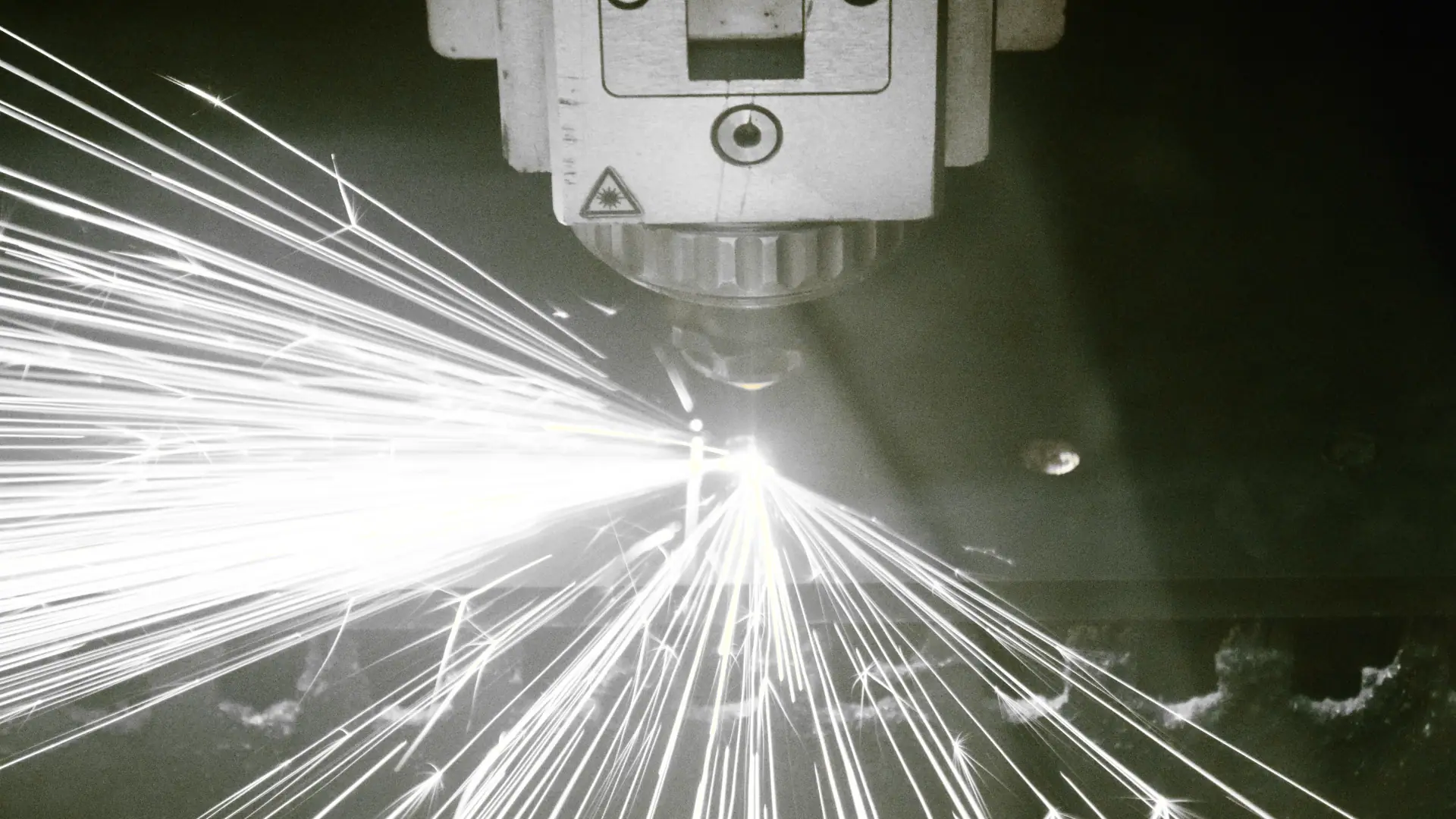
    All surface imperfections, rust, and layers of old paint are removed through a more advanced and time-efficient laser blasting process at Copamate. This cutting-edge technique uses high-intensity laser beams to vaporise surface contaminants and coatings without damaging the panel’s underlying material.

    Laser blasting not only reduces the time it takes to prepare the panels but also ensures unparalleled precision and consistency. The result is a smooth, defect-free surface, perfectly primed for repair and coating.

    This is custom heading element

    High-durability fillers, engineered to withstand environmental and mechanical stresses, are applied to repair dents. After curing, the filler is meticulously sanded to ensure a perfectly smooth and integrated surface, ready for priming and painting.

    This is custom heading element

    Applying a primer serves multiple purposes: it enhances paint adhesion, provides corrosion resistance, and creates a uniform base layer. The primer is carefully selected based on the panel’s material to ensure long-term durability under operational conditions.

    This is custom heading element

    Multiple coats of industrial-grade paint are applied to achieve the desired durability and aesthetic standards. Advanced paint technologies, such as UV-resistant topcoats, are incorporated to protect against fading, chipping, and environmental degradation. Each coat is cured under controlled conditions to maximise adherence and finish quality.

    no image

    This is custom heading element

    Once the paint has fully cured, the refurbished panels are reinstalled onto the train or tram. During this process, engineers verify the alignment and secure attachment of each panel to maintain structural integrity and safety.

    no image

    This is custom heading element

    High-precision digital printing, stenciling, or vinyl application methods are used to add branding, safety information, and other necessary markings. The materials used are designed to withstand environmental exposure while maintaining clarity and durability.

    This is custom heading element

    Bogies are the cornerstone of a rail vehicle’s performance, bearing its weight, guiding its movement, and ensuring passenger comfort through vibration isolation and suspension systems. Refurbishment of these components is critical for safe and efficient rail operations.

    This is custom heading element

    The bogie is removed from the vehicle and disassembled into its core components, including the wheelsets, suspension systems, and the mainframe. This disassembly process ensures that each part can be individually inspected and refurbished.

    This is custom heading element

    Each component undergoes a rigorous cleaning process to remove accumulated dirt, grease, and old lubricants. Industrial degreasers, ultrasonic cleaning systems, and high-pressure washers are employed to achieve a spotless finish, ensuring optimal adhesion for any repairs or coatings.

    This is custom heading element

    Cold spray technology is utilised to restore worn or damaged metal surfaces. This additive manufacturing technique deposits metallic powders at high velocities onto the component without subjecting it to high temperatures, preserving its structural integrity. This method is particularly effective for repairing wheelsets and other high-stress areas.

    This is custom heading element

    Once reassembled, the bogie undergoes extensive testing to validate its functionality and durability. These tests include load-bearing assessments, dynamic performance simulations, and ultrasonic inspections to detect internal flaws. Each test ensures that the bogie meets or exceeds safety and performance standards before reinstallation.

    This is custom heading element

    Train and tram doors are critical for passenger safety and convenience. Refurbishing these components restores their aesthetic appeal and ensures reliable operation in demanding conditions.

    This is custom heading element

    The refurbishment process begins with the careful removal of the doors from the vehicle. This step allows for detailed inspection and easier access to internal mechanisms. Accurate documentation is maintained to ensure proper reinstallation.

    no image

    This is custom heading element

    A thorough evaluation identifies structural issues, such as dents, cracks, or warping, as well as mechanical problems in hinges, seals, and locking systems. Advanced diagnostic tools may be used to assess the condition of moving parts.

    This is custom heading element

    All door components are meticulously cleaned to remove accumulated dirt, grease, and any residual paint. Moving parts, such as hinges and sliding mechanisms, are given special attention to ensure smooth operation after reassembly.

    This is custom heading element

    Dents are repaired using high-strength fillers designed for durability under frequent use. After application, the treated areas are sanded to achieve a flawless surface ready for priming and painting.

    This is custom heading element

    The priming process creates a durable base layer that enhances paint adhesion and provides additional protection against corrosion. Specialised primers are selected based on the material composition of the doors.

    This is custom heading element

    Doors are coated with industrial-grade paints formulated for high durability and resistance to environmental factors. Multiple coats are applied, and a protective clear layer may be added to extend the lifespan of the finish.

    no image

    This is custom heading element

    Refurbished doors are reinstalled with careful alignment to ensure proper functionality. Moving parts are lubricated, and adjustments are made to optimise performance and prevent wear over time.

    This is custom heading element

    Safety instructions, operational markings, and branding are applied using high-precision techniques. These markings are designed to remain legible and intact under heavy use and environmental exposure.

    This is custom heading element

    A final inspection ensures that all door components are securely fastened and fully operational. This step guarantees passenger safety and prevents operational disruptions.

    This is custom heading element

    Refurbishing train and tram components involves addressing numerous technical and logistical challenges. These include strict compliance with safety standards, sourcing high-quality materials, minimising operational downtime, and integrating modern technologies. Despite these challenges, the outcomes of a well-executed refurbishment process are substantial:

    • Extended Lifespan: Refurbishment significantly prolongs the service life of critical components, delaying the need for costly replacements.
    • Enhanced Aesthetics: Restored exterior and interior components improve the overall appearance of rail vehicles, enhancing the passenger experience.
    • Improved Performance: Mechanical repairs and upgrades ensure greater reliability, safety, and efficiency.
    • Cost Efficiency: Refurbishment offers a cost-effective alternative to new component manufacturing, optimising resource allocation.

    Refurbishing train and tram components is a sophisticated process requiring a combination of advanced technologies, skilled labor, and rigorous quality control. By adhering to meticulous procedures, rail operators can maintain their fleets at peak performance while optimising costs and ensuring the safety and satisfaction of passengers.

    [uncode_block id=”142671″ inside_column=”yes”]
  • What are Train Bogies and How Do They Work?

    What are Train Bogies and How Do They Work?

    [uncode_socials size=”lead”]

    Today’s rail transportation is known for efficiency and safety, trains heavily rely on the design and functionality of their key components. One of the most critical elements is the train bogie. Acting as the foundation for the train’s wheelsets, bogies are integral to the smooth operation of rail vehicles. Whether you’re an engineer, a rail enthusiast, or simply curious about how trains stay on track, this guide will provide valuable insights into the role of bogies in rail transport.

    This is custom heading element

    Train bogies, also known as railway bogies, are the undercarriage assemblies that support the weight of a train and ensure its proper functioning during travel. A bogie consists of a frame that houses two or more wheelsets, which are connected through a suspension system that allows movement, particularly in curves. Bogies are essential for reducing the forces on the track, improving the train’s stability, and enabling a smooth ride for passengers or freight.

    The development of rolling stock bogies significantly advanced railway technology, replacing the fixed axle design that was initially used in early railway vehicles. By allowing the wheelsets to pivot within the bogie frame, the vehicle’s ability to navigate curves and uneven tracks improved significantly, providing greater comfort and safety.

    This is custom heading element

    The primary purpose of a train bogie is to support and stabilise the vehicle while ensuring it remains connected to the tracks. Here are the key purposes:

    1. Support the Vehicle’s Weight: Bogies distribute the weight of the train evenly across the wheelsets, helping maintain the structural integrity of both the train and the track.
    2. Enhance Stability: The bogie’s suspension system helps absorb the vertical and lateral forces during travel, minimising the impact on the train’s frame and reducing track wear.
    3. Ensure Proper Guidance: The bogie allows for better guidance along curves, enabling trains to travel on tracks with smaller radii without the risk of derailment.
    4. Reduce Wear on Track: The bogie’s design reduces the stress placed on the track, contributing to longer-lasting infrastructure and more efficient operations.
    5. Vibration Isolation: The bogie’s suspension isolates vibrations from the track, ensuring a smooth ride, particularly for passenger trains.
    no image

    This is custom heading element

    • Frame: The central structure of the bogie, which supports the wheelsets and connects them to the train. It can be either an external or internal frame, depending on the design requirements.
    • Wheelsets: These are the wheels mounted on axles that rotate with the movement of the train. Wheelsets are typically mounted within the bogie frame and can turn independently to navigate curves.
    • Suspension System: Consists of springs or air suspensions that absorb vertical and horizontal forces. This system isolates the vehicle from shocks and vibrations from the track.
    • Axle Bearings: These allow for smooth rotation of the wheelsets and reduce friction between the wheelset and the bogie frame.
    • Braking System: Typically, disc or drum brakes are attached to the wheelsets, ensuring the train can slow down or stop effectively.
    • Pivot Point: A critical component that allows the bogie to rotate relative to the vehicle frame, improving the ability to navigate curves.
    • Bolsters: Cross beams within the bogie that allow for additional flexibility and load-bearing capability.

    This is custom heading element

    Modern train bogies have evolved significantly in design and materials, reflecting advancements in technology and the need for higher speeds, greater comfort, and reduced operational costs. Features of modern bogies include:

    • Advanced Materials: Modern bogies are often made from lightweight yet strong materials such as high-strength steel, aluminum alloys, and composite materials to reduce weight without compromising durability.
    • Improved Suspension: Air suspensions or hydraulic systems provide superior comfort and stability, especially for high-speed trains, by reducing vibrations and impacts from track irregularities.
    • Lower Maintenance Needs: Improved design and materials lead to fewer mechanical failures and less frequent maintenance, resulting in better overall operational efficiency.
    • Noise Reduction: Innovations in design, such as the use of sound-insulating materials, have made modern bogies quieter, enhancing passenger comfort, particularly in urban transit and high-speed trains.
    • Modular Design: Many modern bogies are designed to be easily disassembled for maintenance, allowing quick repair or replacement of individual components.

    This is custom heading element

    Design and Engineering: Before the manufacturing process engineers design bogies based on engineering and design factors like:

    • Load-bearing capacity
    • Speed requirements
    • Track gauge compatibility
    • Suspension and damping needs
    • Safety and regulatory compliance

    Material Selection: Bogies are made out of high-strength steel, cast steel or aluminium alloys to balance strength and weight. The materials used include:

    • Mild steel or high-strength steel: Common for heavy-duty freight and passenger bogies
    • Cast steel: Used in some bogie frames for increased durability
    • Aluminum alloys: Used for high-speed and lightweight applications

    This is custom heading element

    Step 1: Frame Fabrication
    The bogie frame, also called the bogie bolster, is the main structural component that holds the wheelsets and supports the train body. It is typically made from welded steel plates or cast steel.

    • Cutting & Shaping: Laser cutting, CNC machining, or plasma cutting are used to shape steel plates.
    • Welding: High-precision robotic welding is used to join steel parts together.
    • Heat Treatment: Frames undergo heat treatment to relieve stress and improve strength.
    • Machining & Drilling: CNC machines are used for precision drilling and finishing.

    Step 2: Wheelset Manufacturing
    Each bogie has two wheelsets, which include wheels and an axle.

    • Forging: Wheels are forged from solid steel billets.
    • Heat Treatment & Hardening: To increase wear resistance, wheels undergo heat treatment and are hardened at the tread area.
    • Axle Machining: Axles are turned on CNC lathes and ground to precise tolerances.
    • Press-Fitting: Wheels are pressed onto the axle using hydraulic presses.

    Step 3: Suspension System Production
    Train bogies use primary and secondary suspension systems. Components include:

    • Helical or rubber springs (absorbing shocks from the track)
    • Dampers and hydraulic cylinders (controlling motion and vibration)
    • Anti-roll bars (enhancing stability)
    • These parts are manufactured through casting, forging, and machining before being assembled into the bogie.

    Step 4: Braking System Integration
    Brakes are integrated into the bogie for train stopping power. Components include:

    • Disc brakes or tread brakes
    • Air brake cylinders
    • Brake pads and calipers
    • These parts are sourced from suppliers and installed on the bogie.

    Step 5: Final Assembly
    Once all components are manufactured, they are assembled in the following sequence:

    1. Wheelsets are installed into the bogie frame.
    2. Suspension components are mounted.
    3. Braking systems are integrated.
    4. Bearings and lubrication systems are added.
    5. Final adjustments and alignments are made.

    This is custom heading element

    Before a bogie is cleared for use, it undergoes rigorous quality control tests, including:

    • Ultrasonic & X-ray testing: Checking for internal material defects.
    • Dimensional inspection: Ensuring precise tolerances.
    • Load testing: Simulating real-world loads.
    • Vibration & fatigue tests: Testing durability over time.

    This is custom heading element

    To protect against corrosion and wear, bogies are coated with:

    • Epoxy-based paints
    • Zinc coatings for corrosion resistance
    • Powder coatings for durability

    This is custom heading element

    After passing quality checks, bogies are transported to train manufacturing facilities where they are mounted onto train carriages using hydraulic lifts.

    This is custom heading element

    The variable gauge axle is a crucial innovation in modern rail transport, allowing trains to adapt to different track widths. This system uses adjustable wheelsets that can change their gauge, or the distance between the wheels, making it possible to travel on both broad and narrow gauge tracks without changing the bogie.

    This technology is particularly useful for international rail travel and is commonly used in regions where rail networks have varying track gauges. It enables trains to seamlessly cross borders or move between different track systems, improving efficiency and reducing downtime during transfers.

    This is custom heading element

    A radial steering truck bogie is designed to allow wheelsets to steer in the direction of the track curve. This innovation helps reduce wear on the rails and minimises the resistance that a train faces when negotiating tight curves.

    The radial steering mechanism works by ensuring that the wheels are aligned with the direction of the curve, reducing friction and improving the train’s stability. This type of bogie is particularly useful for high-speed trains and those running on tracks with sharp curves.

    no image

    This is custom heading element

    An articulated bogie connects two or more train cars, reducing the need for individual bogies under each car. This design helps distribute the weight more evenly across multiple axles and allows for better stability when navigating curves.

    Articulated trains are more flexible and can have fewer bogies, which reduces weight and maintenance costs. This system is often used in high-speed trains, light rail, and some freight vehicles.

    This is custom heading element

    Tracked vehicles, often used in construction or mining, share similar bogie principles with railway vehicles. The key difference is that the “tracks” in these vehicles are typically continuous belts rather than rail tracks. These vehicles rely on bogies to ensure the weight is evenly distributed across the tracks and to improve mobility over uneven terrain.

    This is custom heading element

    Train bogies work by allowing the wheelsets to move and rotate independently within the bogie frame. This movement enables the vehicle to navigate curves, absorb shocks from the track, and minimise wear on the infrastructure. The bogie’s suspension system, typically consisting of springs or air suspension, absorbs vertical and lateral forces to ensure a smooth and stable ride.

    The pivot mechanism within the bogie allows it to rotate relative to the vehicle frame, improving the vehicle’s ability to move along curves and uneven tracks. Additionally, modern bogies often include advanced systems for braking, traction, and noise reduction.

    This is custom heading element

    The role of bogies is central to the functionality and safety of railway vehicles. They are responsible for:

    • Weight Distribution: Ensuring that the weight of the vehicle is evenly distributed across the wheelsets and that the track is not overburdened.
    • Stability: Providing stability and reducing the risk of derailment by allowing the wheelsets to steer and pivot.
    • Comfort: Absorbing shocks and vibrations to provide a smooth ride for passengers and protect the vehicle from damage.
    • Efficiency: Minimising wear on both the train and the track, reducing maintenance costs and improving the overall efficiency of the rail system.

    This is custom heading element

    There are several types of bogies, each designed for specific applications:

    • Passenger Bogies: Designed for comfort and stability, these bogies often feature advanced suspension systems and noise reduction technologies.
    • Freight Bogies: Built for strength and load-carrying capacity, these bogies focus on durability and stability.
    • Powered Bogies: These bogies contain motors that drive the wheels directly or via a central power unit, used in diesel-electric and electric locomotives.
    • Non-Powered Bogies: These are used in wagons or passenger cars that do not require independent propulsion.

    This is custom heading element

    The bogie provides essential support for the vehicle’s weight and stability. The frame of the bogie holds the wheelsets and connects to the vehicle’s mainframe, providing the structural support required for safe and efficient travel.

    This is custom heading element

    Bogie systems often include power transmission components, such as gears and motors, to provide traction. These systems allow trains to accelerate and decelerate efficiently. In addition to traction, bogies include braking systems, such as disc or drum brakes, that are directly attached to the wheelsets to ensure effective stopping power.

    This is custom heading element

    Vibration isolation in bogies is critical for reducing noise and improving passenger comfort. This is achieved through the suspension system, which uses air or spring-based components to absorb vibrations from the track.

    This is custom heading element

    The guidance of a train is primarily controlled by the bogie, which keeps the wheelsets aligned with the track. This alignment is crucial for maintaining the vehicle’s direction and preventing derailment.

    This is custom heading element

    The suspension system of a bogie ensures that the vehicle remains stable and absorbs shocks and vibrations from the track. This system typically consists of a combination of springs, air cushions, or hydraulic dampers that minimise the effects of track irregularities.

    This is custom heading element

    Power within a bogie can be derived from the locomotive or an onboard power system. The power is transferred to the wheelsets via gears or belts, allowing the vehicle to move efficiently. Modern trains often use electric or diesel-electric power for optimal performance.

    This is custom heading element

    This train bogie overview is designed for engineers looking to understand the intricacies of bogie design, functionality, and their impact on train operations. By providing detailed information on bogie components, functionality, and various types, engineers can refer to this as a resource for designing, maintaining, and improving their own systems.

    [uncode_block id=”142671″ inside_column=”yes”]